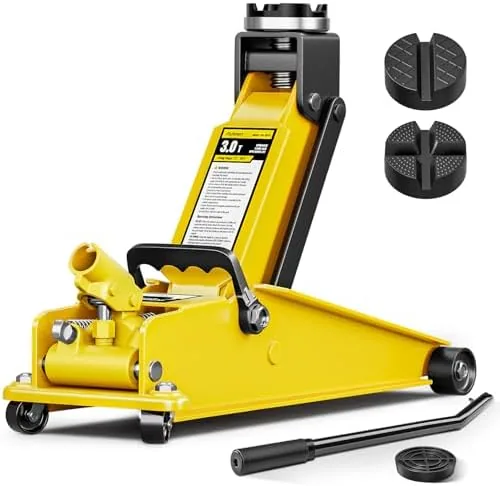
Pittsburgh Jack — Floor Jack
Pittsburgh Jack Floor Jack: Engineered for Home Mechanics Who Demand Professional Results
Since 1977, Pittsburgh Jack has built its reputation on a simple but powerful promise — delivering professional-grade automotive lifting equipment at prices that respect the budget of every home mechanic and DIY enthusiast. Founded by Eric and Allan Smidt in Calabasas, California, the brand emerged from a genuine understanding that weekend warriors and garage hobbyists deserve the same quality tools that professional shops rely on daily. This commitment has driven nearly five decades of innovation in hydraulic floor jack design.
The target audience for Pittsburgh Jack extends beyond casual tool buyers. These floor jacks serve dedicated home mechanics who perform their own brake jobs, tire rotations, and suspension work. Weekend car hobbyists restoring classic vehicles find the lifting capacity and low-profile designs essential for their projects. Even professional automotive technicians appreciate the value proposition when outfitting secondary bays or mobile service operations.
What truly defines the Pittsburgh Jack customer is a shared mindset: the belief that quality automotive work begins with quality tools. Whether tackling seasonal tire changes, fluid maintenance, or more involved repairs like rotor replacements, these users understand that a reliable floor jack forms the foundation of safe, efficient vehicle service. Pittsburgh Jack exists to equip exactly these individuals with lifting solutions that perform like equipment costing twice as much.
From 2-Ton Compact Lifters to 22-Ton Heavy Equipment Solutions
The product range spans an impressive spectrum of lifting capacities, ensuring that every vehicle type and application finds its ideal match. Entry-level 2-ton models provide perfect solutions for compact cars and sedans, while mid-range 3-ton jacks handle the demands of SUVs, crossovers, and light trucks with ease. For those working on heavy-duty pickups, commercial vehicles, or even construction equipment, capacities extend all the way to 22 tons.
Low-profile designs represent a particularly popular segment within the lineup. Starting at just 2¾ inches minimum height, these specialized units slide beneath lowered sports cars, vehicles with aftermarket suspension modifications, and factory-low European imports that defeat conventional jacks. The combination of low entry height with substantial maximum lift range addresses one of the most common frustrations among performance car enthusiasts.
Heavy-duty steel construction appears across every capacity class, from the lightest residential-use models to industrial-strength units. This consistency ensures that buyers selecting any product from the range receive the same commitment to durability, safety compliance, and long-term reliability. The welded frame construction and tough finish treatment protect against the harsh garage environment where oil, chemicals, and concrete floors test lesser equipment.
The RAPID PUMP Dual-Piston Hydraulic Advantage
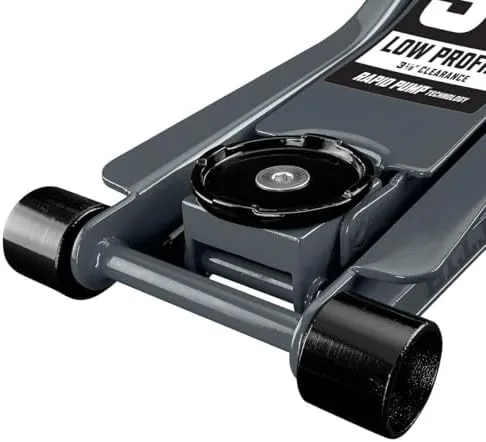
At the heart of Pittsburgh Jack's engineering philosophy sits the proprietary RAPID PUMP dual-piston hydraulic system. This technology fundamentally reimagines how quickly and efficiently a floor jack can raise a vehicle. Where conventional single-piston designs require ten, twelve, or even fifteen pumps to reach working height, the RAPID PUMP system accomplishes the same lift in just 3½ pumps. The time savings compound over dozens of lifting cycles during a busy day in the garage.
The dual-piston configuration achieves this efficiency through synchronized displacement. Both pistons work in concert during each pump stroke, moving approximately twice the hydraulic fluid volume compared to traditional systems. This engineering approach maintains smooth, controlled lifting action while dramatically reducing operator effort. Mechanics finish the day with less arm fatigue, and jobs proceed faster without sacrificing precision or safety.
Beyond speed, the RAPID PUMP design contributes to overall system reliability. The balanced hydraulic pressure distribution reduces stress on individual components, extending seal life and minimizing maintenance requirements. The system meets ASME-PASE industry safety standards, confirming that the pursuit of efficiency never compromises the fundamental requirement of secure vehicle support. Every lift operation benefits from engineering that prioritizes both performance and protection.
Pittsburgh Jack Floor Jack Features That Define Professional Performance
- RAPID PUMP Dual-Piston Technology Lifts vehicles to working height in just 3½ pumps, reducing effort and completing jobs faster than conventional single-piston hydraulic systems.
- Heavy-Duty Welded Steel Frames Continuous weld construction creates rigid, durable frames capable of handling rated capacities repeatedly without flexing, cracking, or structural fatigue.
- Low-Profile Entry Height Designs starting at 2¾ inches slide beneath lowered vehicles, sports cars, and modified suspension setups that defeat standard floor jacks.
- ASME-PASE Safety Compliance Every model meets or exceeds industry safety standards, ensuring bypass valve protection and load-holding reliability for secure vehicle support.
- High-Quality Swivel Casters Smooth-rolling rear casters and front wheels enable easy positioning and maneuvering in tight garage spaces, around lift points, and under vehicles.
- Tough Protective Finish Powder-coat or enamel finishes resist chipping, corrosion, and chemical damage from exposure to oils, brake fluid, and cleaning solvents.
Top Performers: The Models Mechanics Reach For First
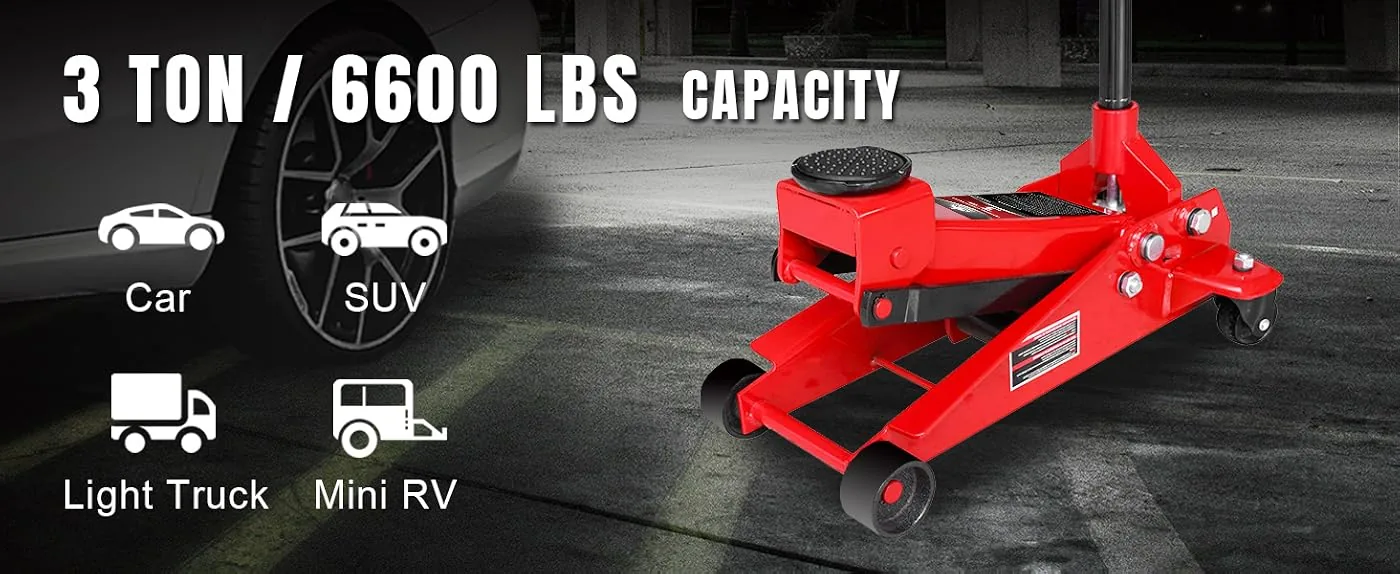
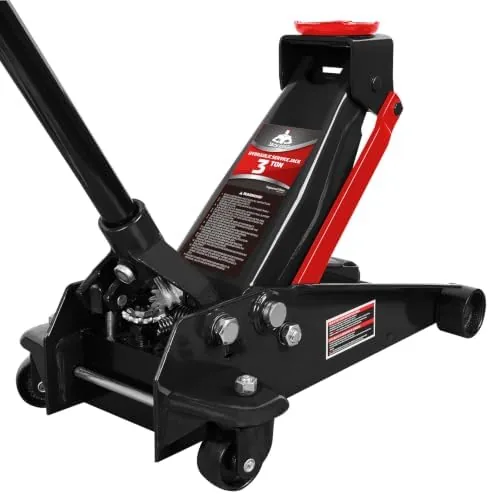
The 3 ton Heavy Duty Low Profile Floor Jack with Rapid Pump by Pittsburgh Automotive consistently ranks among the most popular choices in the lineup. This grey-finished workhorse delivers the ideal balance of capacity, low-profile clearance, and RAPID PUMP efficiency for the widest range of home garage applications. Owners praise its ability to handle everything from compact sedans to mid-size trucks while maintaining the low entry height needed for modern vehicle designs.
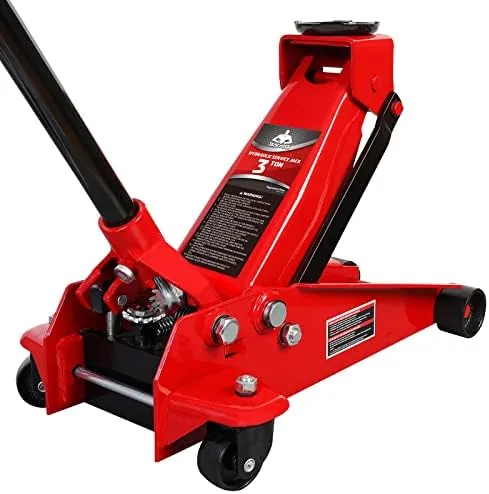
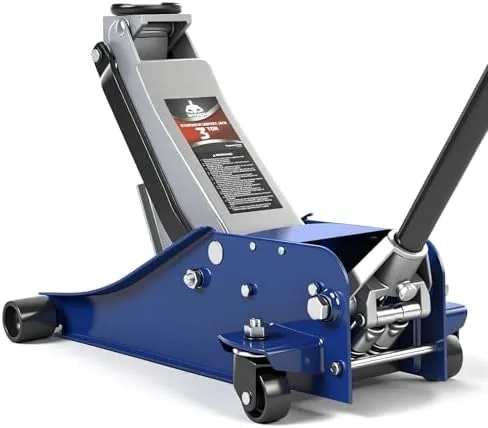
For buyers seeking exceptional value combined with dual-pump technology, the Jack Boss 3 Ton Floor Jack with its 3-1/8 inch minimum height and 20-inch maximum reach provides outstanding versatility. The 6,600-pound capacity handles virtually any passenger vehicle, while the extended lift range accommodates taller work requirements. This model excels in garage and shop environments where quick response to varied vehicle types matters most.
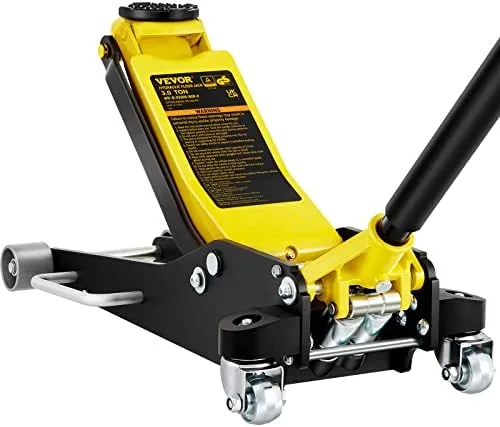
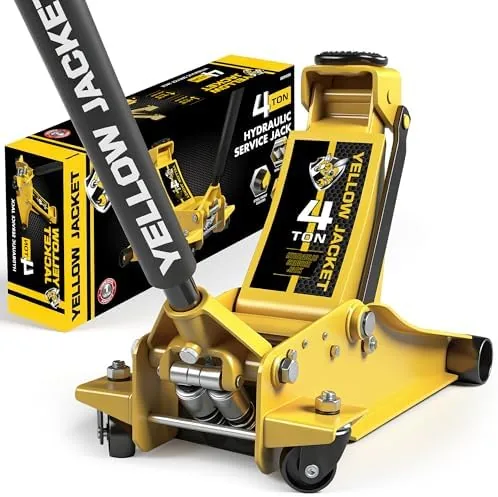
The YELLOW JACKET 4 Ton Floor Jack addresses heavier-duty applications with its 8,800-pound capacity and impressive 4-5/16 inch to 19-7/8 inch lift range. Owners of full-size trucks, SUVs, and commercial vehicles appreciate the extra capacity margin that allows confident lifting without approaching maximum ratings. Dual pumps maintain the quick-lift convenience despite the increased load-bearing capability.
Heavy-Gauge Steel, Welded Joints & Industrial-Grade Hydraulics
Material selection begins with heavy-gauge steel plate forming the chassis, lift arm, and saddle components. This steel thickness provides the structural rigidity necessary to support rated loads without deflection or permanent deformation. Unlike lighter consumer-grade jacks that flex under load, the robust steel construction maintains geometric precision throughout the lifting cycle, ensuring predictable and safe operation.
Welded joints represent another critical quality differentiator. Rather than relying on bolted or riveted connections that can loosen over time, continuous weld seams create unified structural elements. These welds undergo inspection to confirm full penetration and proper fusion, eliminating weak points where stress concentration could initiate cracking. The result is a frame assembly that maintains its integrity through years of heavy use.
The hydraulic system components receive equal attention to material quality. Precision-machined cylinders, hardened piston rods, and high-quality seals work together to provide smooth, controlled lifting action and reliable load holding. The hydraulic fluid reservoir, pump mechanism, and release valve assembly all reflect industrial-grade manufacturing standards. This attention to hydraulic system quality ensures consistent performance and minimizes maintenance requirements over the product lifespan.
Faster Tire Changes, Easier Brake Jobs, Reduced Mechanic Fatigue
Real-world performance translates the engineering specifications into tangible benefits during actual garage work. Tire rotations that previously consumed ten minutes of pumping and repositioning now proceed in a fraction of that time. The 3½-pump lifting cycle means vehicles reach working height almost immediately after positioning the jack, eliminating the tedious arm workout that makes seasonal tire changes such a dreaded chore.
Brake pad and rotor replacements showcase the practical advantages of low-profile design combined with adequate lift range. The jack slides beneath vehicles resting on level garage floors, reaches the lift point, and raises the corner high enough to remove wheels and access brake components comfortably. This complete cycle happens smoothly without the frustration of jacks that either cannot clear the vehicle's ground clearance or cannot lift high enough for component access.
Over extended work sessions, reduced operator fatigue becomes a significant factor. Professional technicians and dedicated home mechanics who perform multiple lift cycles per day notice the difference that efficient hydraulics and smooth-rolling casters make to overall energy expenditure. Less physical strain translates to better focus on the actual repair work, improving both safety and quality of the completed job. The durability of welded steel construction ensures these performance benefits continue delivering value year after year.
Getting Maximum Performance From Your Pittsburgh Jack Floor Jack
- Level Surface Positioning Always operate on flat, solid surfaces like concrete garage floors. Avoid asphalt, gravel, or sloped areas that can cause instability during lifting.
- Locate Factory Lift Points Consult the vehicle owner's manual to identify designated lift points. Positioning the saddle at these reinforced areas prevents damage and ensures secure lifting.
- Center the Saddle Align the jack saddle directly under the lift point before beginning the pump cycle. Proper centering distributes load evenly and prevents dangerous off-center lifting.
- Pump with Steady Strokes Use full, deliberate pump strokes rather than rapid short pumps. The RAPID PUMP system works most efficiently with complete piston travel on each cycle.
- Always Use Jack Stands Never work under a vehicle supported only by the floor jack. Once lifted, place rated jack stands at secondary support points before beginning any work.
- Lower Gradually Open the release valve slowly to control descent speed. Rapid lowering can cause hydraulic shock and potential component damage.
Weight Ratings, Lift Heights & Safe Load Positioning
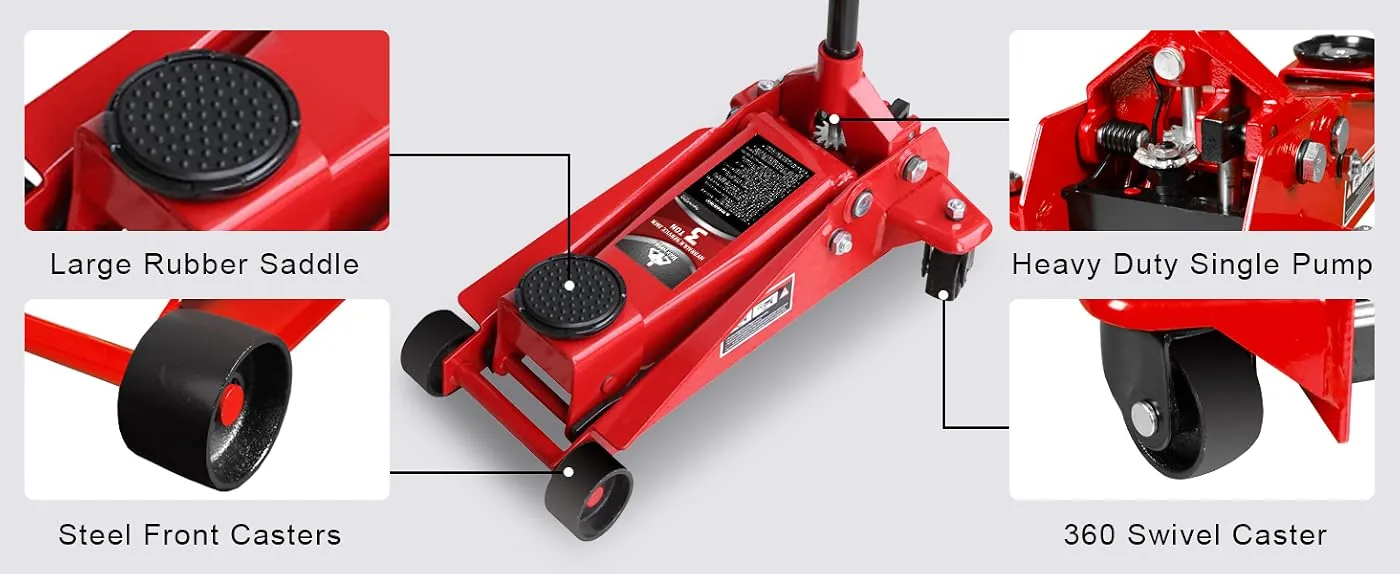
Understanding weight ratings requires knowing both the total vehicle weight and how that weight distributes across the lift point being used. A 3-ton rated jack handles 6,600 pounds of load, but this capacity refers to the concentrated force at the saddle during the lift. When lifting one corner of a vehicle, the jack supports roughly 25-35% of total vehicle weight depending on weight distribution. This means a 3-ton jack safely lifts most passenger vehicles weighing up to 5,000 pounds total.
Lift height specifications deserve careful attention when matching a jack to specific vehicles. Minimum height determines whether the jack fits beneath the vehicle in its normal resting position. Maximum height determines whether the lift range provides adequate clearance for wheel removal and undercarriage access. Low-profile models with 2¾ to 3-inch minimum heights suit lowered vehicles, while standard models with 4-5 inch minimums work well for trucks and SUVs with greater ground clearance.
Safe load positioning extends beyond simply placing the saddle under a lift point. The jack should remain perpendicular to the vehicle's length, with the handle extending outward for safe pumping access. Wheel position matters too, as the wheels and casters must roll freely to accommodate the slight forward movement that occurs during lifting. Blocking wheels or positioning on uneven surfaces creates binding forces that compromise stability and can damage both the jack and vehicle.
The Smart Choice for Budget-Conscious Gearheads and Weekend Warriors
Ideal Buyer Profile
- Home mechanics maintaining family vehicles
- Classic car restorers on limited budgets
- Weekend hobbyists learning automotive repair
- Apartment dwellers with limited storage space
- DIY enthusiasts tackling first major projects
Common Applications
- Seasonal tire swaps and rotations
- Brake pad and rotor replacements
- Oil changes and fluid services
- Suspension component inspection
- Exhaust system access and repairs
Selecting the Right Floor Jack Capacity and Configuration
Capacity selection begins with an honest assessment of the vehicles requiring service. Compact cars, sedans, and small crossovers fall comfortably within 2-ton jack capabilities. Mid-size SUVs, minivans, and half-ton trucks benefit from 3-ton capacity that provides adequate safety margin without excessive weight or bulk. Full-size trucks, commercial vans, and heavy SUVs warrant 4-ton or higher ratings for confident, secure lifting.
Low-profile versus standard configuration depends primarily on the vehicles in your fleet. Owners of sports cars, lowered vehicles, or European models with minimal ground clearance need low-profile jacks with sub-3-inch minimum heights. Standard trucks, SUVs, and unmodified passenger vehicles work well with conventional designs that offer greater maximum lift range in exchange for higher minimum clearance requirements.
Consider storage and portability alongside pure performance specifications. Compact 2-ton jacks weigh less and store in smaller spaces, making them practical choices for apartment garages or vehicles carried in truck beds. Heavier 3-ton and 4-ton models deliver greater capability but require dedicated garage floor space and two-hand carrying. The aluminum-steel hybrid construction found in some models offers a middle ground, reducing weight while maintaining structural integrity for demanding applications.
Pittsburgh Jack Floor Jack vs. Leading Competitors
| Feature | Pittsburgh Jack | Harbor Freight Daytona | Craftsman Pro |
|---|---|---|---|
| Lift Technology | RAPID PUMP dual-piston (3½ pumps) | Standard hydraulic (8-10 pumps) | Quick-lift single piston (6-8 pumps) |
| Frame Construction | Heavy-duty welded steel | Welded steel | Welded steel |
| Safety Certification | ASME-PASE compliant | ASME-PASE compliant | ANSI/PALD compliant |
| Low-Profile Option | Yes (2¾" minimum) | Yes (2⅞" minimum) | Limited (3½" minimum) |
| Capacity Range | 2-ton to 22-ton | 2-ton to 4-ton | 2-ton to 3-ton |
| Swivel Caster Quality | High-quality ball bearing | Standard casters | Standard casters |
| Price Position | Value-focused | Budget entry | Premium pricing |
| Warranty Coverage | Standard manufacturer | 90-day | 3-year limited |
Specifications compared across similar 3-ton models. Features may vary by specific product within each brand's lineup.
Maintaining Hydraulic Systems, Seals & Moving Components
- Monthly Fluid Level Check Inspect the hydraulic reservoir monthly and top off with manufacturer-recommended hydraulic jack oil when levels drop below the fill line.
- Annual Seal Inspection Examine piston seals and cylinder surfaces yearly for signs of weeping, cracking, or deterioration that could compromise lifting performance.
- Caster and Wheel Lubrication Apply light machine oil to wheel bearings and caster pivots every six months to maintain smooth rolling and easy positioning.
- Release Valve Maintenance Operate the release valve through its full range periodically to prevent sticking. Clean any debris from the valve seat area.
- Frame and Finish Care Wipe down the frame after exposure to fluids or chemicals. Touch up any chips in the finish coating to prevent rust formation.
- Storage Position Store the jack in the fully lowered position with the release valve closed. This protects seals from compression set and prevents hydraulic system strain.