Pittsburgh Jack — Bottle Jack
Pittsburgh Jack Bottle Jack: Engineered for Home Mechanics and Professional Technicians Alike
Since 1977, Pittsburgh Jack has served as the go-to lifting solution for anyone who refuses to compromise on quality but demands accessible pricing. Founded by Eric and Allan Smidt in Calabasas, California, the brand emerged from a simple observation: professional-grade automotive equipment shouldn't require a professional budget. This philosophy drives every hydraulic bottle jack that leaves the facility, ensuring weekend car hobbyists and certified technicians receive identical build quality and performance standards.
The core audience for these compact powerhouses spans from first-time DIY enthusiasts changing their own oil to seasoned mechanics running busy repair shops. Home garages across America rely on these vertical-lift hydraulic units for everything from seasonal tire swaps to emergency roadside repairs. The space-saving design proves especially valuable for truck owners, RV enthusiasts, and anyone working with trailers where traditional floor jacks simply cannot fit.
What distinguishes Pittsburgh Jack from generic alternatives is the unwavering commitment to ASME-PASE industry compliance. Every unit undergoes rigorous testing to meet safety standards that protect both the operator and the vehicle. This dedication to professional-grade construction at consumer-friendly prices has built a loyal following among those who understand that lifting equipment is no place to cut corners.
A Complete Range of Vertical Lift Solutions for Every Vehicle Class
The Pittsburgh Jack lineup encompasses tonnage ratings designed to handle virtually any lifting scenario encountered in residential or commercial settings. From compact 6-ton models perfect for sedans and smaller vehicles to robust 20-ton units capable of supporting box trucks and heavy-duty RVs, the collection addresses the full spectrum of automotive lifting requirements. Each capacity tier maintains the same engineering standards, differing only in size and lifting power.
Low-profile designs starting at just 2¾ inches address a growing market need as vehicle manufacturers continue producing cars with minimal ground clearance. Sports cars, modified vehicles, and modern sedans often sit too low for standard hydraulic equipment, making these specialized options essential for proper maintenance access. The range also includes standard-height configurations for trucks, SUVs, and commercial vehicles requiring greater lift ranges.
Beyond the core hydraulic models, the collection features air-hydraulic hybrid options for shops seeking faster operation with reduced manual pumping. These pneumatic-assisted units maintain the same welded steel construction and safety compliance while dramatically reducing operator fatigue during high-volume use. Whether the application calls for occasional home use or daily professional deployment, a purpose-built solution exists within the lineup.
The RAPID PUMP Dual-Piston Advantage
At the heart of Pittsburgh Jack's performance reputation lies the proprietary RAPID PUMP dual-piston hydraulic system. Traditional single-piston designs require numerous pump strokes to achieve full lift height, wasting time and energy during every use. The dual-piston configuration fundamentally changes this dynamic by moving significantly more hydraulic fluid with each stroke, achieving full vehicle lift in just 3½ pumps rather than the industry-standard 8 to 12 strokes.
This engineering advancement delivers practical benefits beyond mere convenience. Reduced pumping means less physical strain during repetitive lifting tasks, a crucial consideration for professional shops handling dozens of vehicles daily. The faster lift cycle also translates to improved productivity, allowing technicians to complete more jobs without the cumulative fatigue that accompanies extensive manual pumping throughout a workday.
The dual-piston system maintains its efficiency across the entire tonnage range, from lighter passenger car units to heavy-duty commercial models. Internal engineering ensures consistent hydraulic pressure distribution regardless of load weight, preventing the sluggish performance common in overloaded conventional jacks. This reliability under varying conditions reflects the brand's commitment to professional functionality at every price point.
Pittsburgh Jack Bottle Jack Features: Welded Steel, Safety Standards, and Precision Engineering
- Heavy-Duty Welded Steel Frames Every unit features fully welded construction rather than bolted assemblies, eliminating potential failure points and ensuring structural integrity under maximum load conditions.
- Serrated Heat-Treated Saddles The contact surface receives heat treatment for hardness and features serrations that grip vehicle lift points securely, preventing dangerous slippage during operation.
- ASME-PASE Compliance All models meet American Society of Mechanical Engineers and Portable Automotive Service Equipment industry standards, providing documented safety assurance.
- Corrosion-Resistant Finish A tough protective coating shields against rust and chemical damage from garage environments, extending service life in demanding workshop conditions.
- Precision Hydraulic Seals Internal sealing components maintain consistent pressure without leakage, ensuring reliable lift performance and eliminating gradual descent under load.
- Integrated Overload Valve Built-in safety mechanisms prevent operation beyond rated capacity, protecting both the equipment and the operator from dangerous overloading scenarios.
The Units That Garages and Workshops Choose Most Often
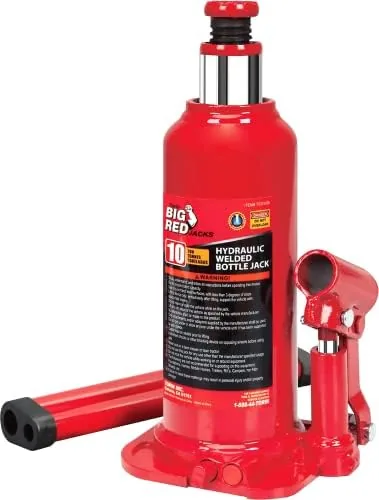
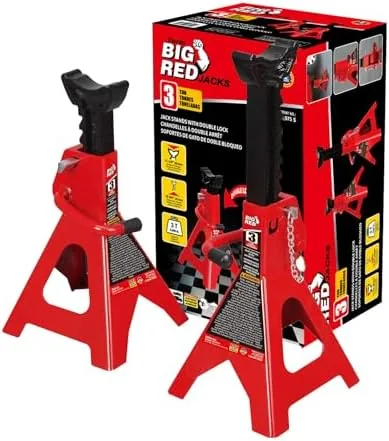
The BIG RED T91003B Torin Hydraulic Welded Bottle Jack consistently ranks among the most popular choices for its ideal balance of 10-ton capacity and manageable size. This unit handles everything from compact cars to mid-size trucks while remaining portable enough for trunk storage during road trips. The serrated, heat-treated saddle provides exceptional grip on factory lift points, making it a trusted companion for roadside emergencies and routine garage maintenance alike.
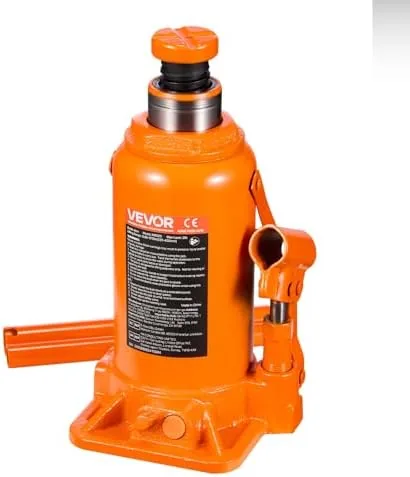
For heavier applications, the VEVOR 20-ton hydraulic model commands attention with its all-welded construction and impressive 7.5 to 14-inch lifting range. Box truck operators, RV owners, and commercial fleet managers favor this unit for its ability to handle substantial loads without strain. The three-section long handle provides leverage advantages that reduce pumping effort significantly, addressing operator comfort during extended use sessions.
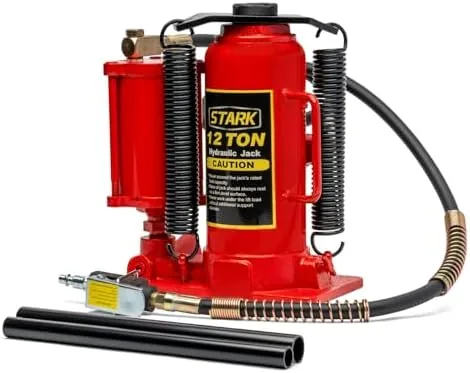
The Stark USA 12-Ton Air/Hydraulic combination unit appeals to shops seeking pneumatic efficiency without sacrificing manual backup capability. Its dual-mode operation allows quick air-powered lifting when compressed air is available, with full manual functionality for field use. The 10¼ to 20-inch lift range accommodates trucks and SUVs requiring significant ground clearance for undercarriage access.
High-Grade Steel Construction with Anti-Corrosion Protection
Material selection determines longevity in hydraulic lifting equipment, and Pittsburgh Jack specifications demand premium steel grades throughout every component. The main cylinder, piston rod, and base plate utilize steel formulations chosen specifically for compressive strength and fatigue resistance. These materials withstand repeated loading cycles without developing the stress fractures that compromise cheaper alternatives over time.
Welding processes follow strict protocols that ensure complete penetration and fusion at every joint. Unlike spot-welded or bolted assemblies that can separate under extreme loads, fully welded frames distribute stress evenly across the entire structure. This construction method requires more skilled labor and precise quality control but delivers equipment capable of decades of reliable service under proper use conditions.
The exterior finish serves purposes beyond aesthetics, providing a barrier against moisture, road salt, brake fluid, and other corrosive substances common in automotive environments. Powder coating or enamel applications undergo adhesion testing to verify they remain bonded under temperature fluctuations and chemical exposure. Internal hydraulic chambers receive additional treatments to prevent contamination that could damage precision seals and valve components.
Lift Performance That Professionals and DIY Enthusiasts Trust Daily
Real-world performance metrics matter more than laboratory specifications when evaluating lifting equipment. Field reports from automotive technicians confirm that the RAPID PUMP system delivers its promised 3½-pump lift cycle consistently across temperature ranges and load variations. This reliability proves especially valuable during busy shop days when equipment must perform predictably vehicle after vehicle.
Durability testing reveals exceptional longevity even under demanding commercial use patterns. Units subjected to thousands of lift cycles maintain seal integrity and hydraulic efficiency without the gradual performance degradation common in economy-grade alternatives. Home users report years of trouble-free operation with nothing more than occasional hydraulic fluid top-offs, validating the brand's professional-grade construction claims.
Stability under load represents a critical safety factor that distinguishes quality equipment from dangerous imitations. The wide base geometry and low center of gravity prevent tipping during offset loads, while the serrated saddle maintains positive contact with vehicle lift points throughout the lifting range. These characteristics provide the confidence necessary for crawling beneath elevated vehicles, knowing the support system will not shift or fail unexpectedly.
How to Use Your Pittsburgh Jack Bottle Jack for Safe, Efficient Vehicle Lifting
- Surface Preparation Position the unit on level, solid ground capable of supporting combined vehicle and jack weight. Avoid soft soil, gravel, or sloped surfaces that could allow shifting during operation.
- Lift Point Identification Consult the vehicle owner's manual to locate manufacturer-designated lift points. Placing the saddle on incorrect locations can damage vehicle frames or cause dangerous slippage.
- Initial Contact Extend the ram by turning the release valve clockwise until snug, then pump until the saddle makes firm contact with the lift point before continuing to desired height.
- Load Verification After reaching target height, observe the setup briefly for any signs of settling or instability before positioning jack stands or beginning work.
- Controlled Descent Lower vehicles slowly by turning the release valve counterclockwise in small increments, maintaining control throughout the descent rather than releasing pressure rapidly.
- Storage Protocols Store with the ram fully retracted and release valve closed to protect internal seals. Keep in dry locations away from extreme temperatures that could affect hydraulic fluid viscosity.
Critical Safety Practices and Load Capacity Guidelines
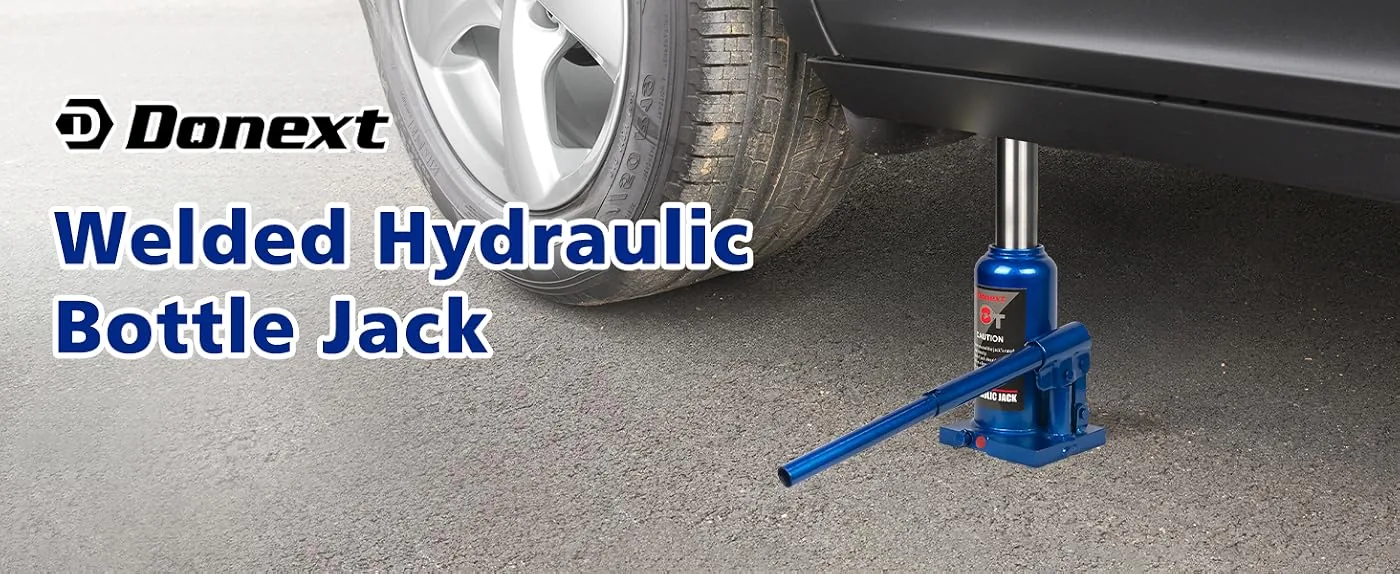
Understanding load ratings prevents dangerous overload situations that compromise both equipment and operator safety. The rated capacity represents the maximum load the jack can safely lift, not the load it can support indefinitely. Always verify vehicle weight against jack capacity before use, remembering that weight distribution means each wheel carries approximately one-quarter of total vehicle mass plus any cargo load.
Jack stands remain essential safety equipment regardless of hydraulic jack quality. While Pittsburgh Jack units feature robust construction and reliable seals, hydraulic systems are not designed for prolonged static support. The industry-standard practice requires placing appropriate jack stands under the vehicle before any work begins beneath the elevated chassis, using the hydraulic jack only for lifting and lowering operations.
Environmental factors influence safe operation in ways that casual users often overlook. Temperature extremes affect hydraulic fluid viscosity, potentially slowing lift speed in cold conditions or increasing internal pressure in heat. Wind can destabilize elevated vehicles, particularly high-profile trucks and vans. Conducting a complete safety assessment before each use prevents accidents caused by overlooked hazards.
The Right Choice for Truck Owners, Fleet Managers, and Roadside Emergency Preparedness
Ideal Users
- Truck and SUV owners needing compact emergency equipment
- RV enthusiasts requiring high-capacity portable lifting
- Fleet maintenance departments seeking durable workshop tools
- DIY mechanics with limited garage floor space
- Trailer owners performing routine tire maintenance
Perfect Applications
- Tire rotations and seasonal changeovers
- Brake system inspections and repairs
- Suspension component access
- Oil pan and transmission service
- Emergency roadside tire replacement
Selecting the Right Bottle Jack Capacity and Lift Range for Your Vehicles
Choosing appropriate tonnage requires calculating the heaviest load the jack will encounter, then selecting a unit rated above that figure. A common mistake involves purchasing jacks rated exactly at vehicle weight, leaving no safety margin for cargo, uneven weight distribution, or future vehicle purchases. The general recommendation suggests selecting capacity at least 25% above the maximum anticipated load for reliable, safe operation throughout the equipment's lifespan.
Lift range specifications deserve equal attention during selection. Low-profile vehicles require jacks that can fit beneath their frames at minimum extension, while trucks and SUVs need sufficient maximum height to achieve adequate working clearance. Measuring from ground to lowest accessible lift point on each vehicle in the fleet ensures the chosen unit provides adequate range for all intended applications.
Physical size and storage constraints often influence practical selection beyond pure capacity considerations. A 20-ton unit provides excellent capability but weighs significantly more and requires more storage space than a 10-ton alternative. Trunk-stored emergency equipment faces different constraints than workshop tools with dedicated shelf space. Evaluating how and where the jack will be stored and transported prevents purchasing equipment that proves impractical despite meeting capacity requirements.
Handle length and style affect usability, particularly for operators with limited mobility or strength. Extended handles provide mechanical advantage that reduces pumping effort, while telescoping designs balance leverage with compact storage. Air-hydraulic models eliminate pumping entirely for shops with compressed air availability, though they add complexity and cost that may not suit occasional home users.
Pittsburgh Jack Bottle Jack vs. Leading Competitors: Performance Comparison
| Feature | Pittsburgh Jack | Generic Import Brands | Premium Specialty Brands |
|---|---|---|---|
| Lift Pumps Required | 3½ pumps (RAPID PUMP) | 8-12 pumps typical | 4-6 pumps |
| Safety Certification | ASME-PASE compliant | Often uncertified | ASME-PASE compliant |
| Frame Construction | Fully welded steel | Spot-welded or bolted | Fully welded steel |
| Saddle Treatment | Heat-treated serrated | Painted standard steel | Heat-treated options |
| Price Range | Moderate/Accessible | Budget/Low | Premium/High |
| Warranty Coverage | Comprehensive | Limited or none | Extensive |
| Low-Profile Options | 2¾ inch minimum | 3½ inch typical minimum | 2½ inch minimum |
| Target User | Home and professional | Occasional emergency use | Professional shops |
Specifications represent typical models within each category. Individual products may vary.
Maintaining Peak Hydraulic Performance Through Proper Care
- Hydraulic Fluid Inspection Check fluid levels monthly during active use periods. Low fluid causes incomplete lifts and accelerates seal wear. Use only manufacturer-specified hydraulic oil when topping off.
- Seal Lubrication Apply light machine oil to the exposed ram surface periodically to keep seals supple and prevent premature cracking from dry operation.
- Release Valve Maintenance Clean the release valve area regularly to prevent debris from entering the hydraulic chamber. Contaminants cause internal damage that leads to leaks and pressure loss.
- External Cleaning Remove brake dust, road grime, and chemical residue after each use session. These substances accelerate corrosion and can contaminate moving parts if allowed to accumulate.
- Operational Testing Cycle the jack through its full range monthly, even during storage periods, to maintain seal flexibility and hydraulic circuit integrity.
- Professional Servicing Have units inspected by qualified technicians annually for commercial use or every three years for home garage applications, replacing seals and fluid as needed.